There is a point in winter, when, if you start to get really quiet, you can sense into a shift.
Rather than the unsteadiness of winds that coax the leaves to fall from the trees, and a sharp cold that chills you to the bone, and a sense of deep stillness, heaviness, and silence begins to settle in. The winds may become less frequent, but the ground is frozen and life outside seems to begin moving in slow motion, or even to have pressed pause while the snow falls. This is the first whisper of the shift from the season of Vata into the season of Kapha.
If you are new to Ayurvedic terminology, Vata is known as the dosha (energy) with qualities of wind and ether, such as coldness, movement, lightness, and is associated with the season of all and into early winter. Kapha is considered the dosha with qualities of earth and water, and is characterized by heaviness, moisture, accumulation, stickiness, and slowness.
It is not spring - not even close - but we are paying attention to the earth, we can sense something has changed. Ayurveda tells us that fall belongs to Vata and spring belongs to Kapha, but if we listen carefully, winter itself contains a turning, a slow and subtle shift from the dry, restless qualities of Vata into the heavier, denser presence of Kapha gathering beneath the surface.
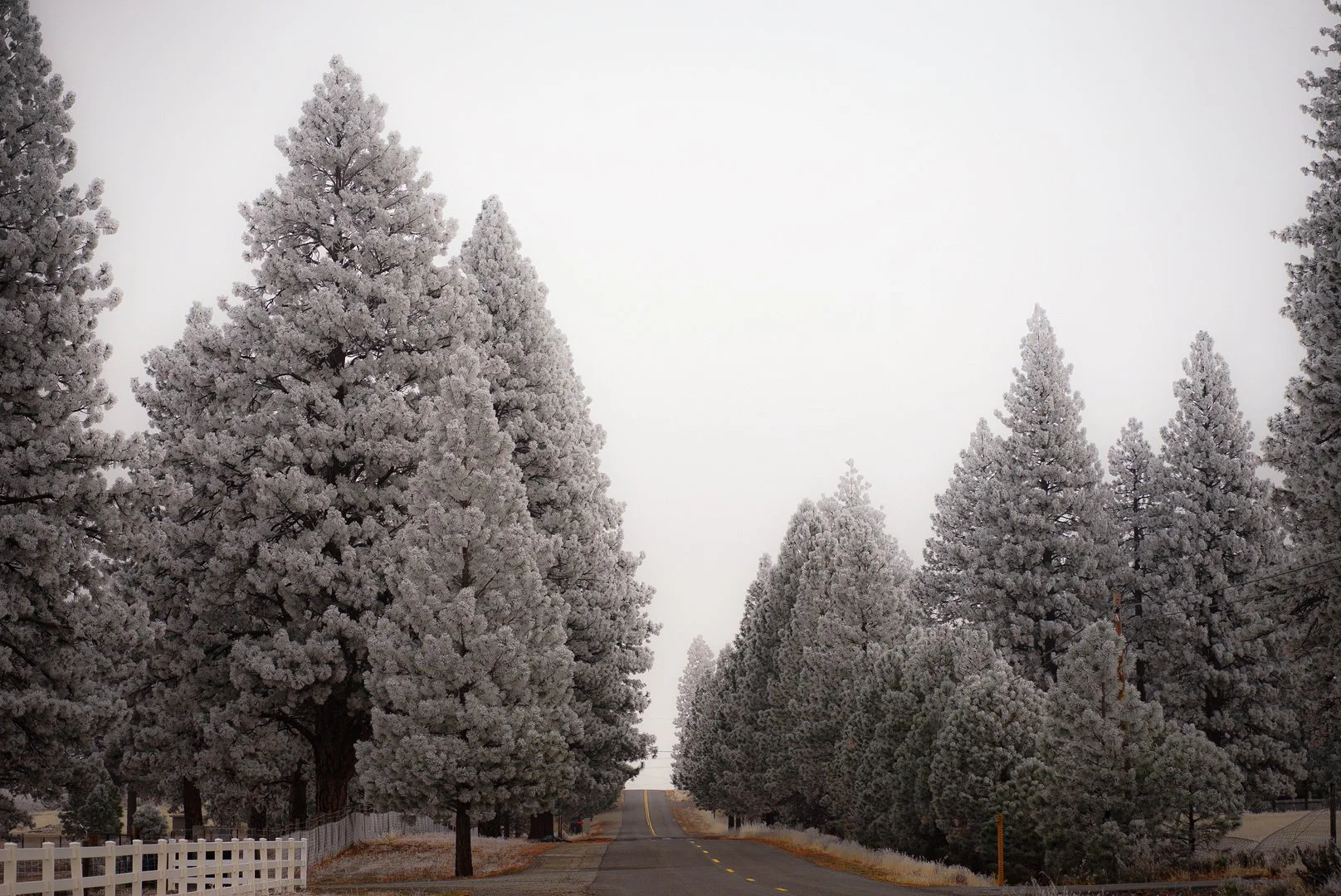
Early Winter: The Domain of Vata
Early winter arrives with exposure. The air feels dry and penetrating, the winds are often persistent, the nervous system more easily unsettled. Do you feel it? Sleep may irregular or unsettled, the mind quick to scatter, the body prone to tension, cracking joints, the skin dry. These are all associated with an increase in Vata’s energy, and in many climates it dominates the season’s first step towards the cold season.
Self-inquiry:
Where do you notice dryness, movement, or restlessness in your body or mind right now?
What feels most in need of warmth, steadiness, or protection?
Late Winter: Kapha Gathers Beneath the Surface
At a certain point, the cold becomes heavy, rather than sharp. Moisture returns, sometimes abundantly… Fog settles… Snow insulates… The land grows quiet, dense, and held. This is the presence of Kapha beginning to accumulate long before spring ever announces itself, building dormant energy in the depths of stillness.
In the body, this may show up as heaviness in the limbs, congestion in the chest or sinuses, slower digestion, a desire to sleep longer, or a sense of melancholy that reflects the overcast sky. It can be hard to feel motivated as the body calls for a sense of hibernation. We are not so different from the bears.
Self-inquiry:
Where do you feel weight, density, or slowing?
What parts of you are asking to rest more deeply rather than push forward?
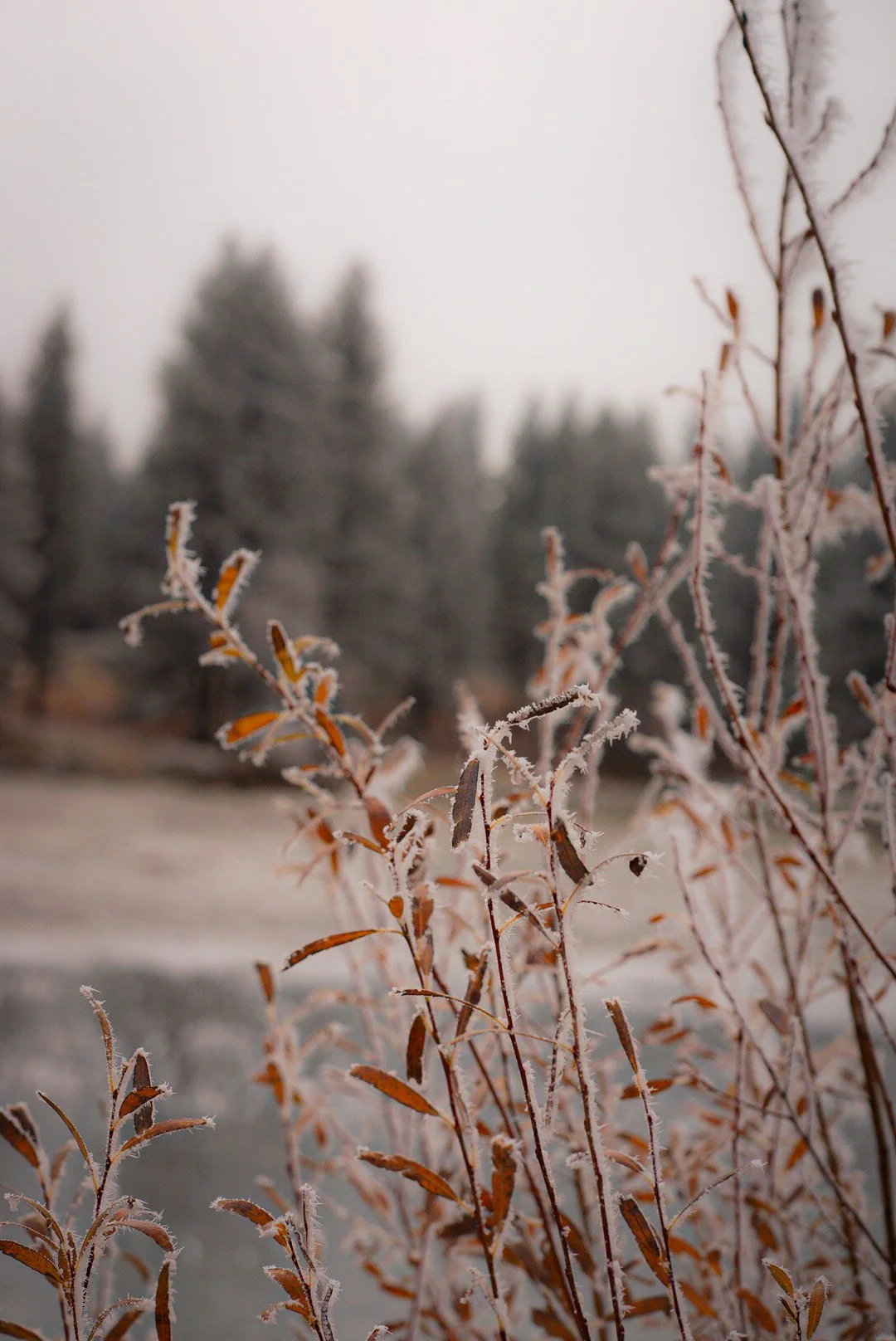
Climate, Place, and the Overlap of Qualities
When and how this transition happens depends entirely on where you live and how you live within your body. In dry, high-elevation or desert landscapes, Vata can remain present far into late winter, carried on wind and low humidity, keeping the nervous system on edge, brittle, and easily depleted. In moist coastal regions or northern climates, Kapha often emerges earlier, as damp cold and low light settle over the land. Tropical places may feel the shift differently and in their own way, too.
Many of us live in places where both qualities coexist, where the air remains restless while the ground grows heavy, where the body feels both wired and fatigued, craving rest yet struggling to fully settle.
This is our invitation to disregard the dates on a calendar and instead listen to the gunas or qualities, of the environment and within ourselves. In this deepest part of the winter, it is common to experience both at once - pulses of storms moving through and pummeling us with wind and driving precipitation just to pass over and be left in a quiet frozen landscape. Or perhaps, a shifting back and forth. Each year is different, and as we witness changing cycles we get to employ our toolbox of remedies to call ourselves back into balance while listening to the world around us.
Self-inquiry:
Which qualities feel most dominant in your environment right now?
Do they match what you feel internally, or are they in conversation with one another?
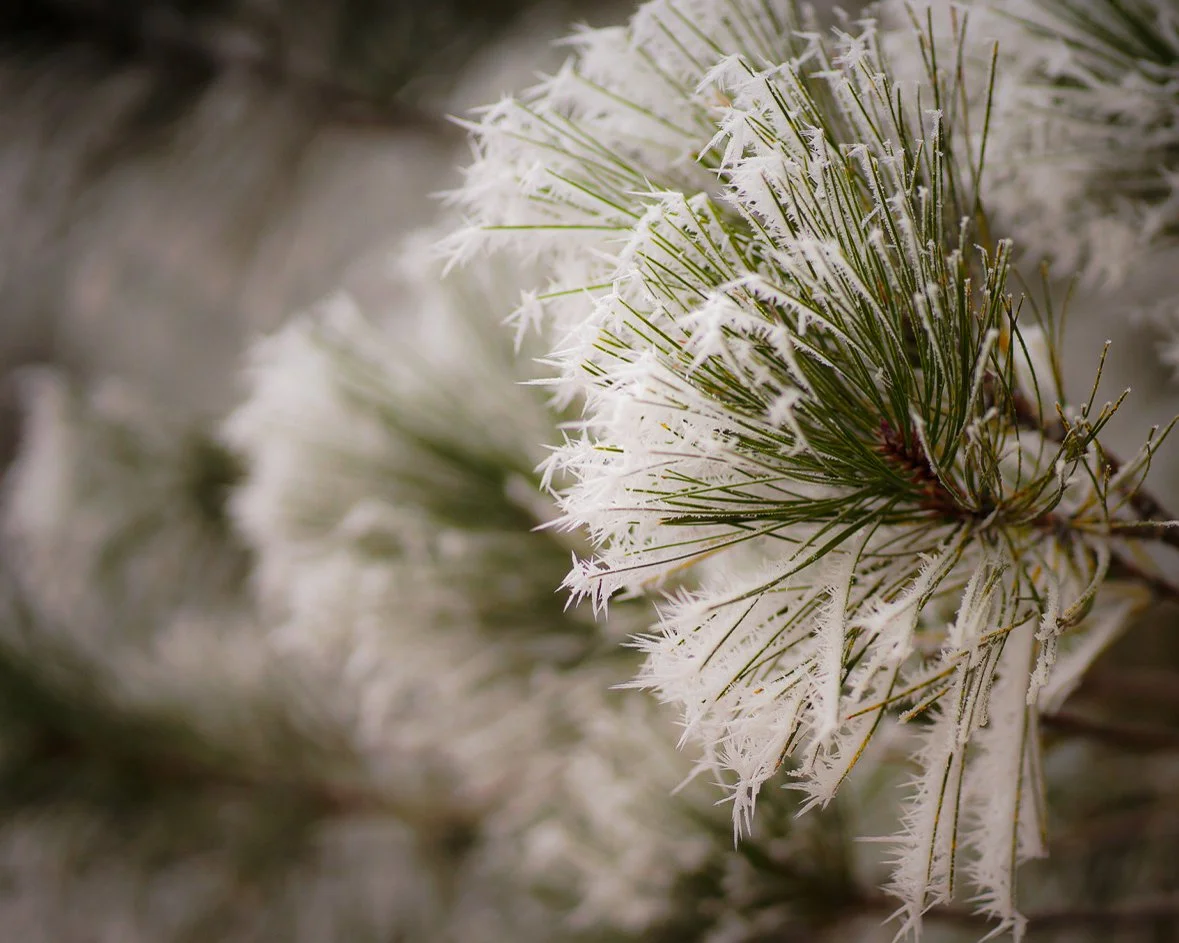
Tending the Space In Between: Gentle Remedies to Tend Both Doshas
In the deep mid-winter, we can call in supportive routines and rejuvenating rituals, herbal allies, and foods that balance both Kapha and Vata doshas.
Vata still needs warmth, nourishment, rhythm, and protection. Warm, cooked foods, consistent routines, early nights, and the steadying ritual of oil massage help calm the nervous system and bring the body back into itself. Spices like ginger, cinnamon, and cardamom support digestion and circulation without overstimulation.
At the same time, Kapha benefits from gentle stimulation. Daily movement is essential, even if you keep it slow and grounding. Practicing activating breath works such as bhastrika or kappalbati help to clear the lungs. Consider incorporating warming spices used in moderation. Avoid excessive or prolonged inertia.
Yoga during this season might be steady and grounding, with long holds that invite softening, paired with a few standing or heat-building postures to awaken circulation. Walks in the cold air with ears, neck and chest covered are stimulating and help to get lymph and circulation flowing. Let these be followed by warmth, rest, and an early night, with lights in the home dimming along with the setting of the sun, keeping yourself in tune with the circadian rhythm.
Self-inquiry:
What supports feel nourishing rather than corrective right now?
Where might you soften effort, and where might you gently invite more aliveness?
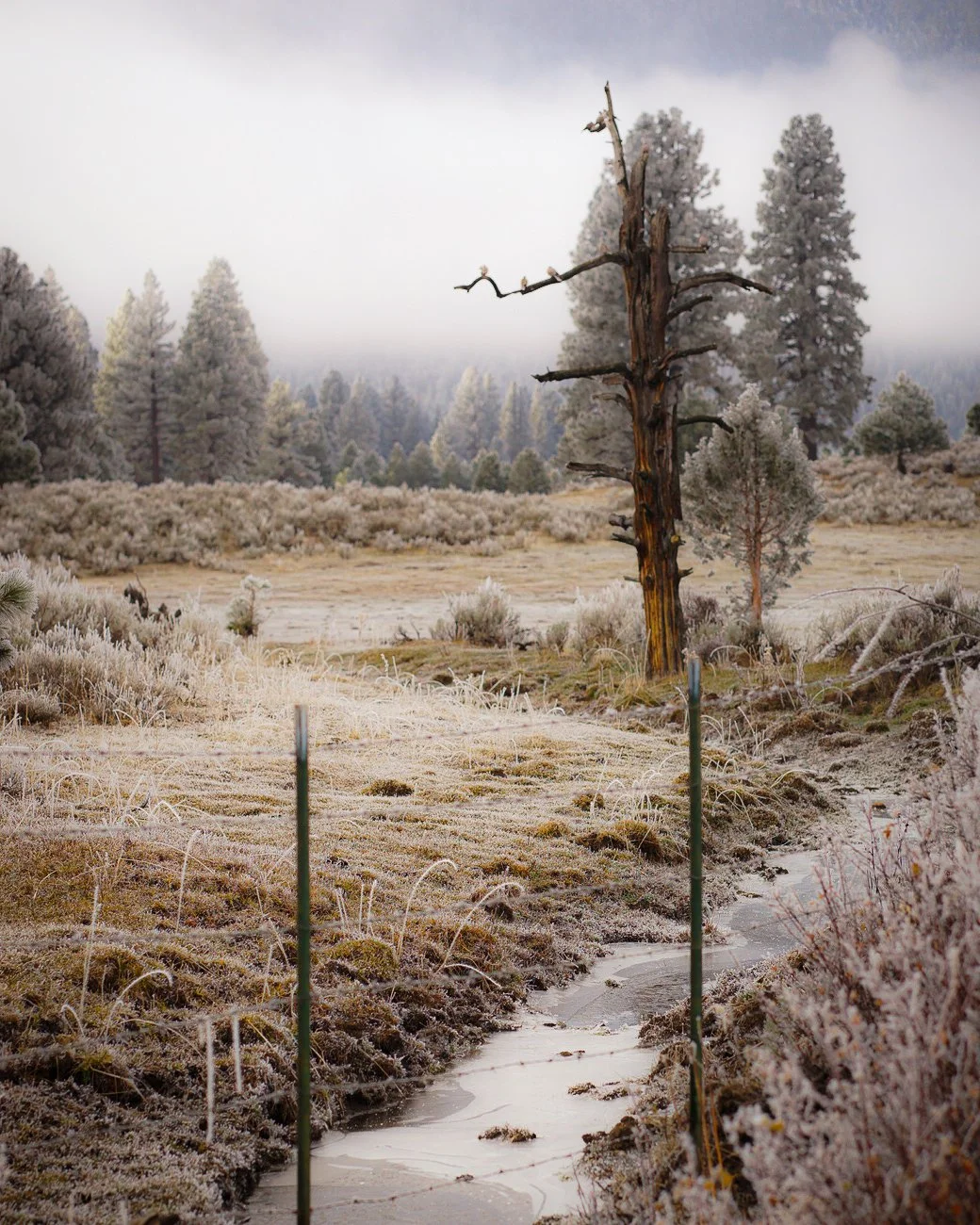
The Wisdom of Deep Winter
Deep winter offers a wise teaching if we are willing to listen: in dormancy, something is gathering. Kapha accumulates beneath the surface long before the first green shoots appear, calling in and storing the energy that will later give way to growth. This is not a time to rush toward renewal, nor is it a time to completely surrender into inertia. It is a time to sense what is alive now, to get curious, and to reflect on what you are ready to build in the coming cycle around the sun.
When we stop asking what we are supposed to feel and begin listening to what it actually is, Ayurveda becomes less about doctrine and more about relationship. The seasons do not change abruptly, but instead, shift slowly, and sometimes almost imperceptibly. When if we allow ourselves to feel that turning, we can meet it with patience, steadiness, and trust in the wisdom of the body and the land that holds it.
For some guidance on finding balance in this deep winter season, please check out this free guide I put together that includes some tips and resources you can acces in order to use this time of year in alignment with your inner wisdom.
If you find yourself curious to explore these seasonal transitions more deeply, through embodied practice, reflection, or one-on-one guidance, you are always welcome to reach out or join me in practice. Sometimes simply being witnessed as we listen is part of the medicine.